Eating disorders
Somewhere to start, whatever's going on with food.
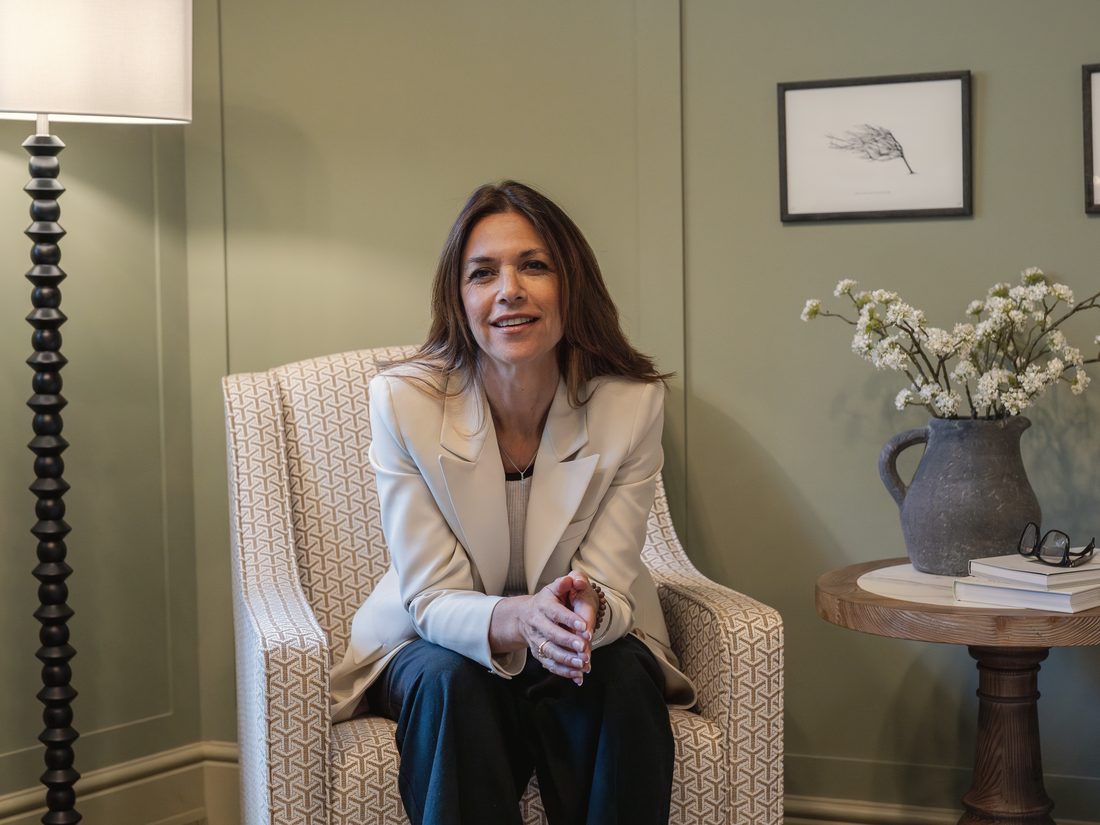
I'm a Master Practitioner for Eating Disorders, trained through the National Centre for Eating Disorders. Whatever stage you're at, and however sure or unsure you feel, you're welcome here.
Where to start
Which of these sounds most like you?
What this is
What the work actually looks like.
We meet for fifty minutes, usually weekly, in a safe room in Ottery St Mary or online. Mostly we talk. Some weeks that's about food and some weeks it isn't at all, because an eating disorder is rarely only about eating.
Over time we look at what the eating disorder is doing for you, what it costs, and what else might do that job instead. That takes as long as it takes.
I've worked in this field for over a decade, alongside a busy general practice, first in Kent and now in Devon.
I also bring lived experience. My own difficult relationship with food during my teenage years is part of why I do this work, and part of why I believe recovery is genuinely possible.
I draw on the model developed by the National Centre for Eating Disorders, alongside New Maudsley motivational approaches and positive psychology.
Just as important
What this isn't.
This isn't weight management, and it isn't a diet programme in either direction.
- No weighing, here or as homework
- No food diaries used as a place for judgement or marking
- No target, no plan you have to keep up with
- No requirement to be ready, or certain, or motivated on arrival
Ambivalence is normal. Part of you may not want to be here at all, and that part is welcome too. It's something we can talk about rather than something to get past first.
A tool, used carefully
On food diaries, and learning events.
For binge eating and overeating, I do sometimes use food diaries. Never as homework to be marked, and never as a place for judgement. Used in the right way, they're simply something for us to learn from together, a way of noticing what's going on around eating so we can understand it.
When someone feels they've slipped, we don't call it a failure. We call it a learning event: something to reflect on and be curious about, rather than to feel ashamed of. Often the most useful understanding comes from exactly these moments.
For restrictive eating disorders I don't use food diaries at all. The right tool depends entirely on the person and what they're facing.
A particular focus
Neurodivergence and eating.
There's a strong and increasingly well-understood link between neurodivergence and difficulties with food. Autistic people and people with ADHD are considerably more likely to struggle with eating, and the reasons are often different from the ones usually assumed.
Sensory sensitivity to texture, taste or smell; the comfort of routine and "safe" foods; interoception, the sense of what your body is telling you, working differently; the way restriction or bingeing can help regulate an overwhelmed nervous system. None of this fits neatly into a standard eating disorder model, and being treated as though it should can make things harder.
I work in a neurodiversity-affirming way. That means I don't treat how your brain works as the problem to be corrected. We start from how you actually experience food, your body and the world, and build from there. Whether or not you have a formal diagnosis, and whether you were identified early or are only making sense of it now, you're welcome exactly as you are.
Alongside, not instead of
Working with your GP.
Eating disorders affect the body as well as the mind, and therapy sits alongside medical care rather than replacing it. If you haven't seen your GP, that's a good early step, and it's something we can talk through on our first call if it feels difficult.
If you're already under a specialist team, I'm glad to work alongside them with your consent.
Beat, the UK's eating disorder charity, runs a free helpline on 0808 801 0677, open 3pm to 8pm Monday to Friday. They're a good place to start if you're not ready to talk to anyone in person yet.
I work with adults and young people aged 16 and over. If you're under 16, your GP can help you find the right support, and Beat and YoungMinds both have services specifically for younger people.
The practical bits
How sessions work.
- In person
- A safe consulting room in central Exeter or Ottery St Mary. Fifty minutes, usually weekly, at the same time each week.
- Online
- Anywhere in the UK, by secure video. The same fifty minutes. Many people find it easier to speak freely from home.
- Fees
- A two-hour specialist consultation is £160, then £80 per session. Ten sessions paid in advance are discounted 10%.
- Getting started
- A free fifteen-minute phone call first, with no obligation on either side. It's mostly a chance to hear each other's voice.